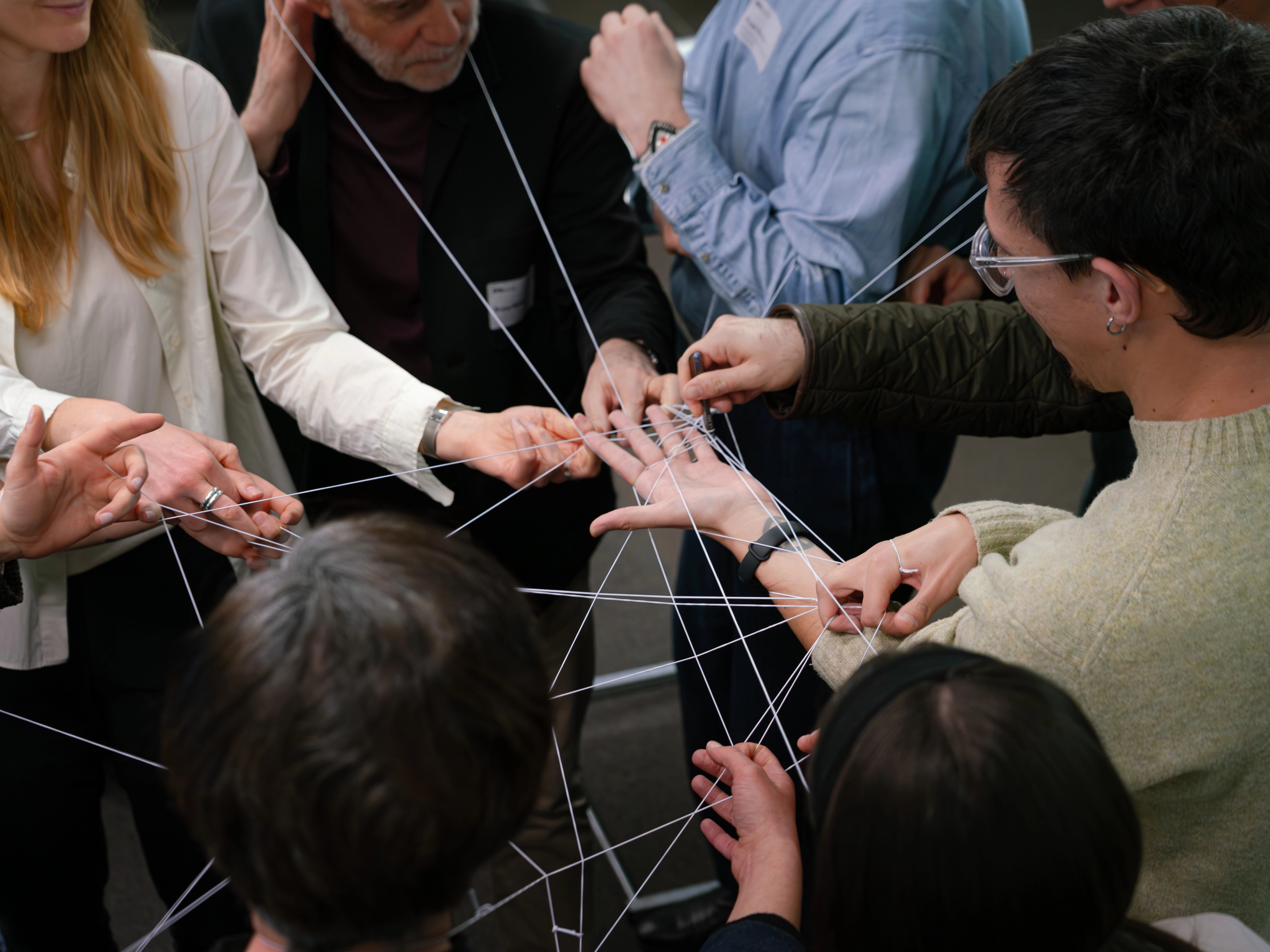
Working on Transformation:
An International Forum on Urban Planning as Learning
Introduction
How can urban planning be understood not only as the projection of a desired future, but as a shared learning process that unfolds over time?
This is a central question in NEWROPE’s various teaching and research engagements. The Spring 2026 NSL Colloquium "Working on Transformation – An International Forum on Urban Planning as Learning" took this question as its point of departure, bringing together specialists from various disciplines to reconceptualise urban planning as a process of collective learning.
Urban planning is often understood as an individual’s or group’s ability to envisage a certain future and integrate it into the present. However, even if this process is informed by other disciplines, participation, dialogue, collective imagination, and learning rarely lie at its heart. This forum explored urban transformation as a series of open-ended learning moments that evolve alongside the project itself, enabling agile responses and the constant evolution of the initial question or brief. It also explored how design education can model such processes.
The forum aimed to expand and refine the range of tools and approaches used by architects and urban planners to guide and design processes. It integrated new perspectives from other disciplines and encouraged reflection on the role of the architect as a facilitator and mediator. The forum was based on the premise that we can design and develop more inclusive and livable environments by creating a continuous feedback loop between learning and planning.
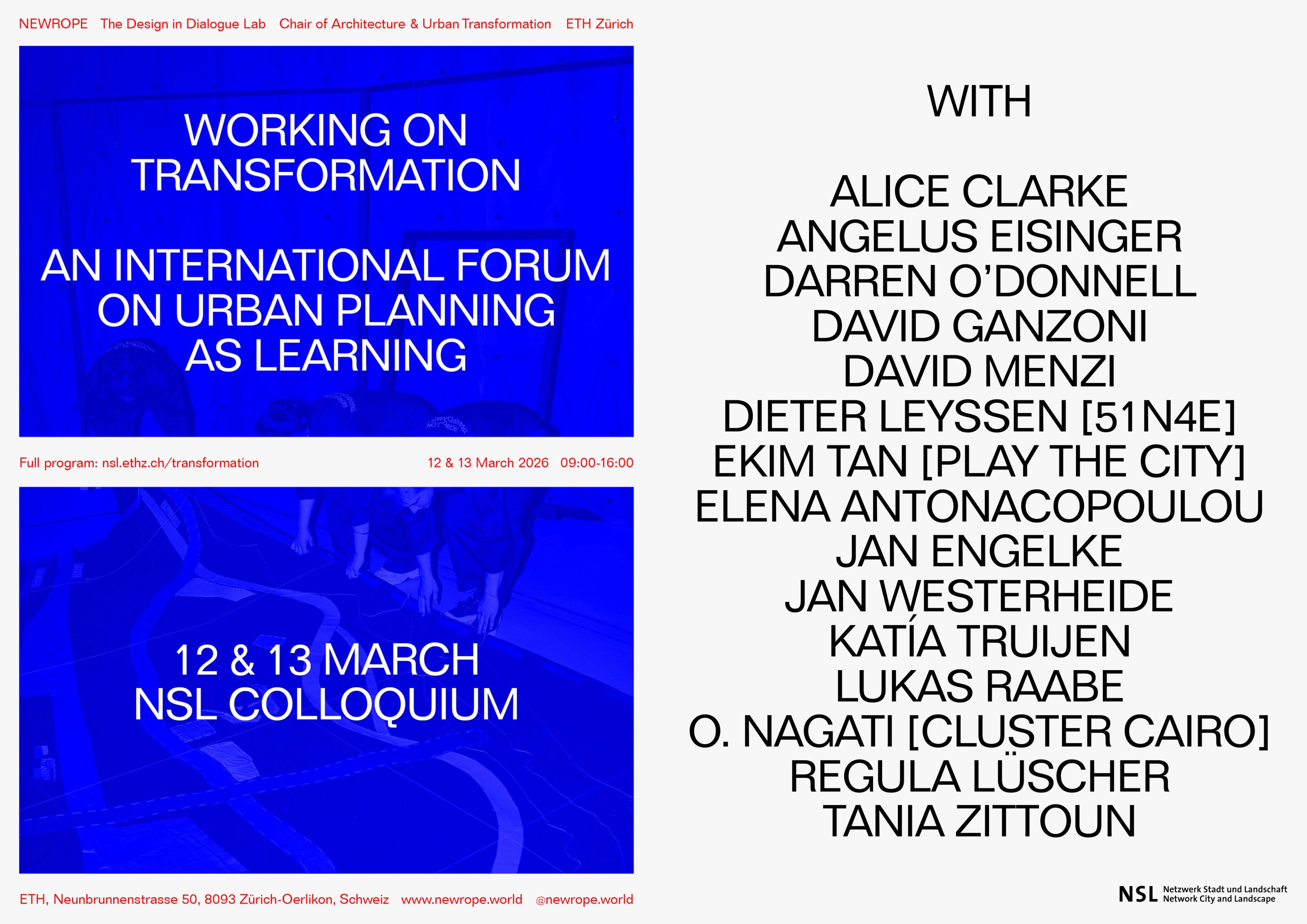
Announcement Poster
Programme
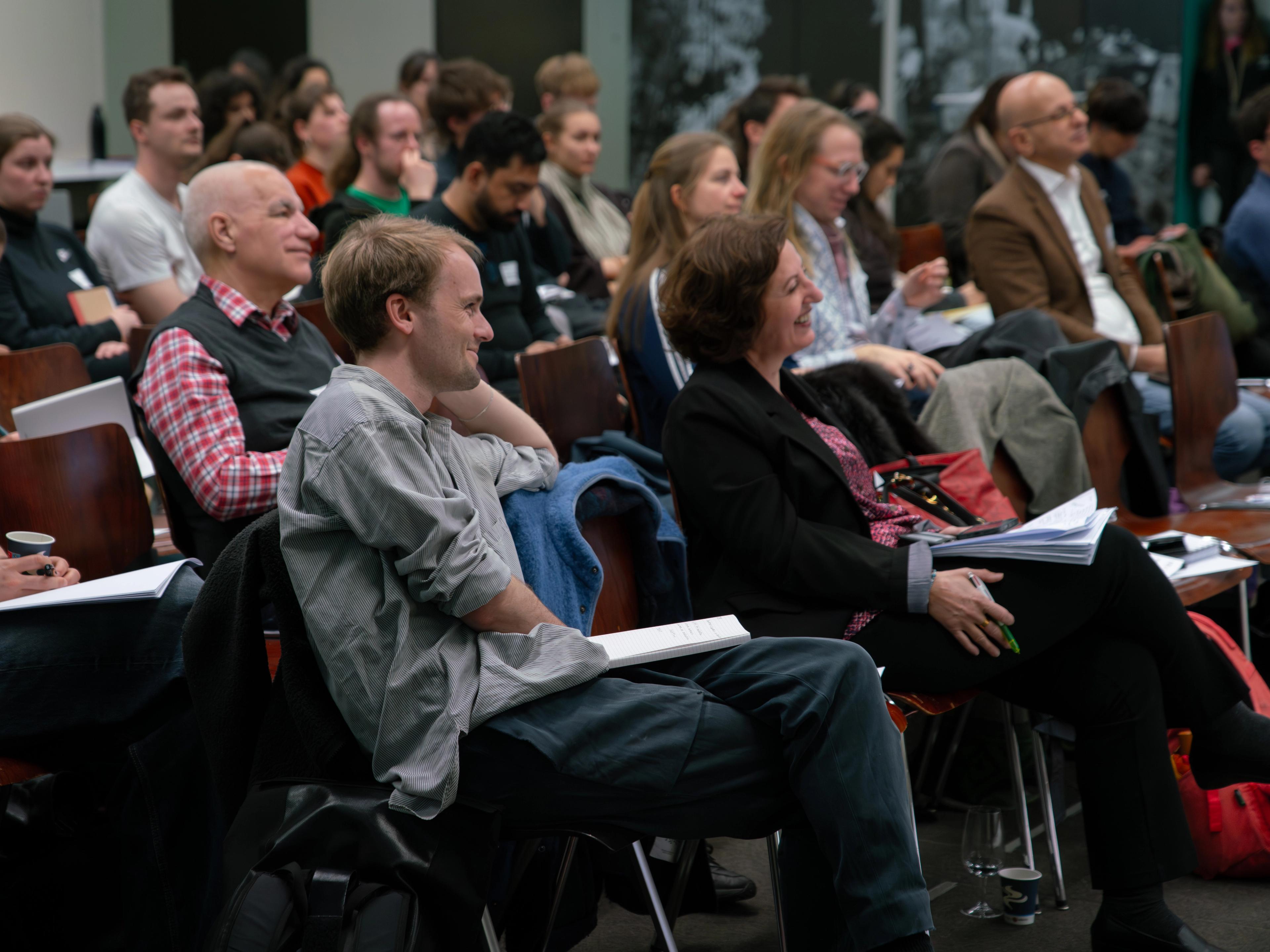
The programme spanned two days and combined keynote lectures, site visits, and experimental workshops – different formats, each enacting the theme "planning as learning" from a different angle.
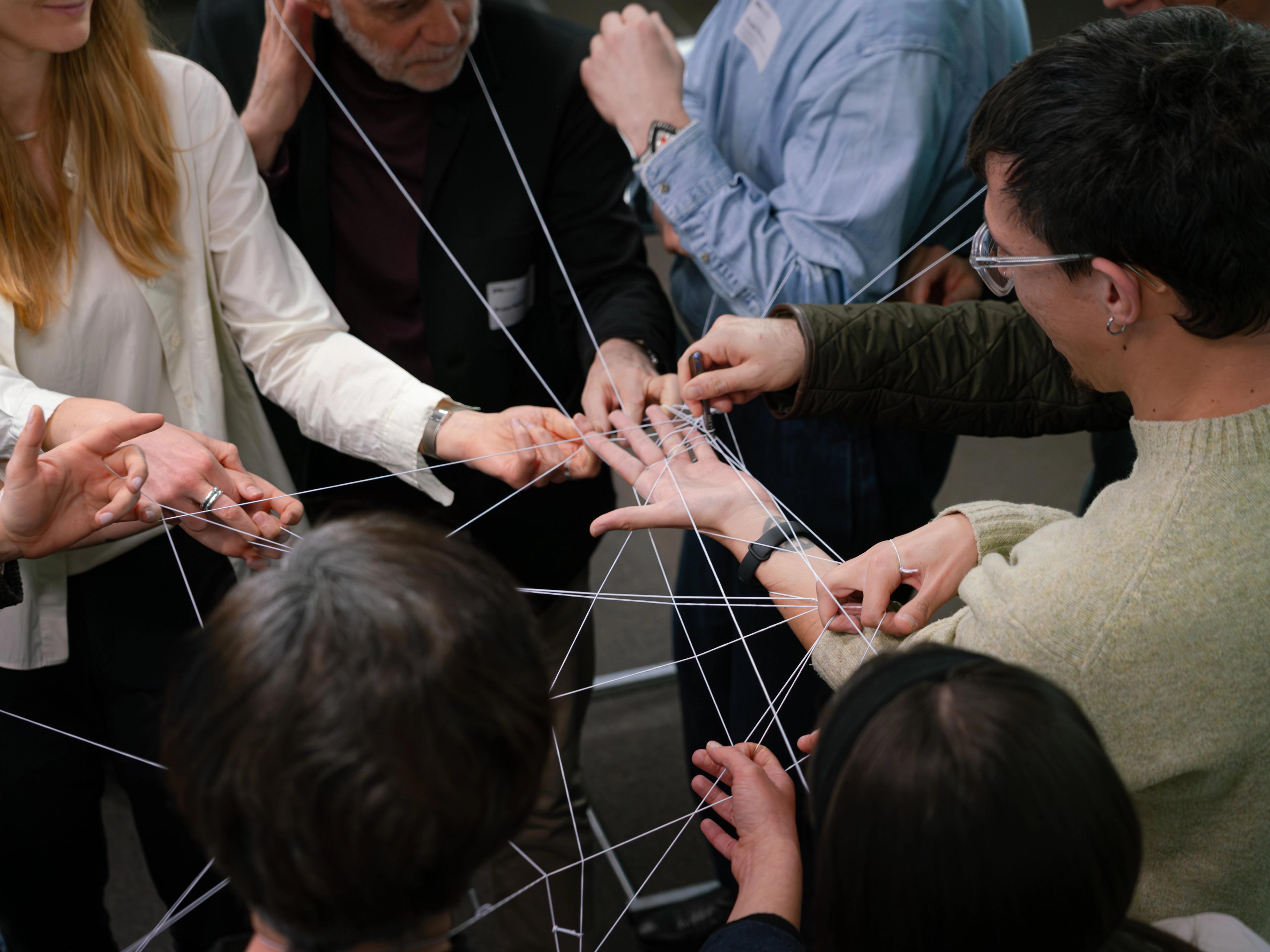
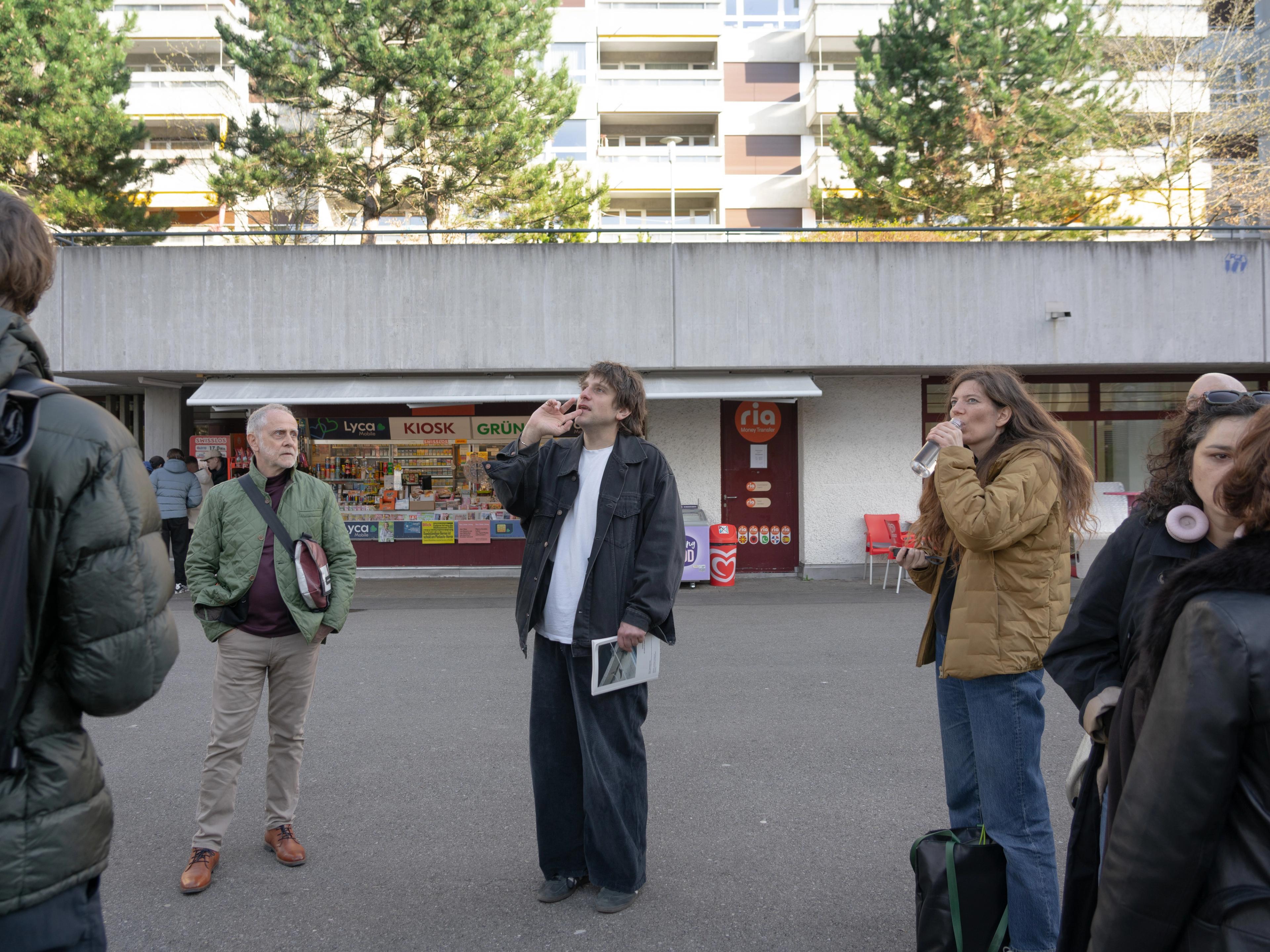
Day 1 built the common ground. It opened with an introduction by members of the chair and a positioning exercise – a bodily exploration of different modes of learning. Keynote lectures then widened the frame, drawing on learning psychology, youth work, and management, alongside perspectives from practice in Egypt, Belgium, and the Netherlands. Site visits in the afternoon grounded the discussion in concrete cases.
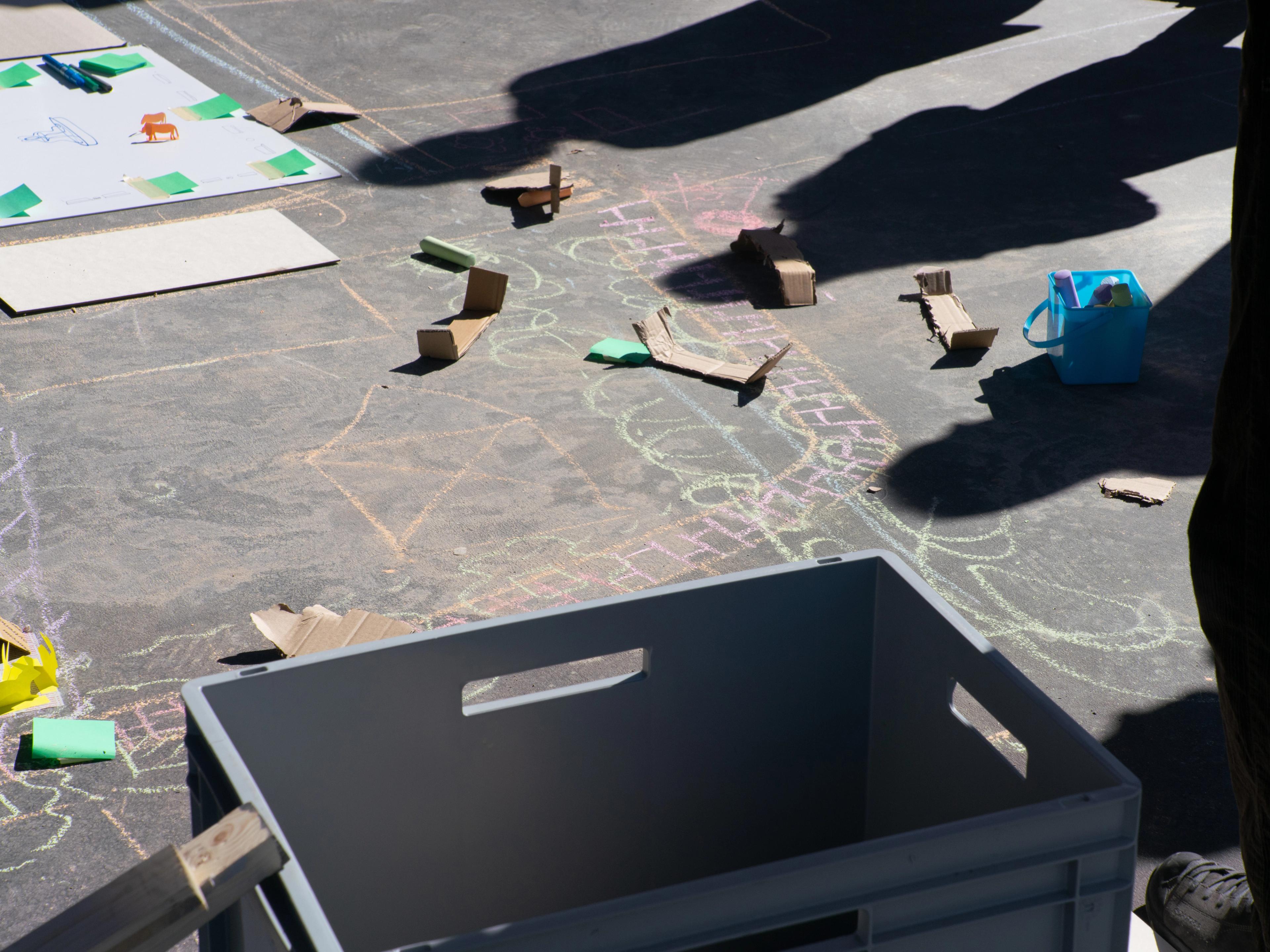
Day 2 put that ground to work. Workshop sessions tested the concepts from the previous day against the case studies introduced during the site visits. The forum closed with a moment of collective reflection.
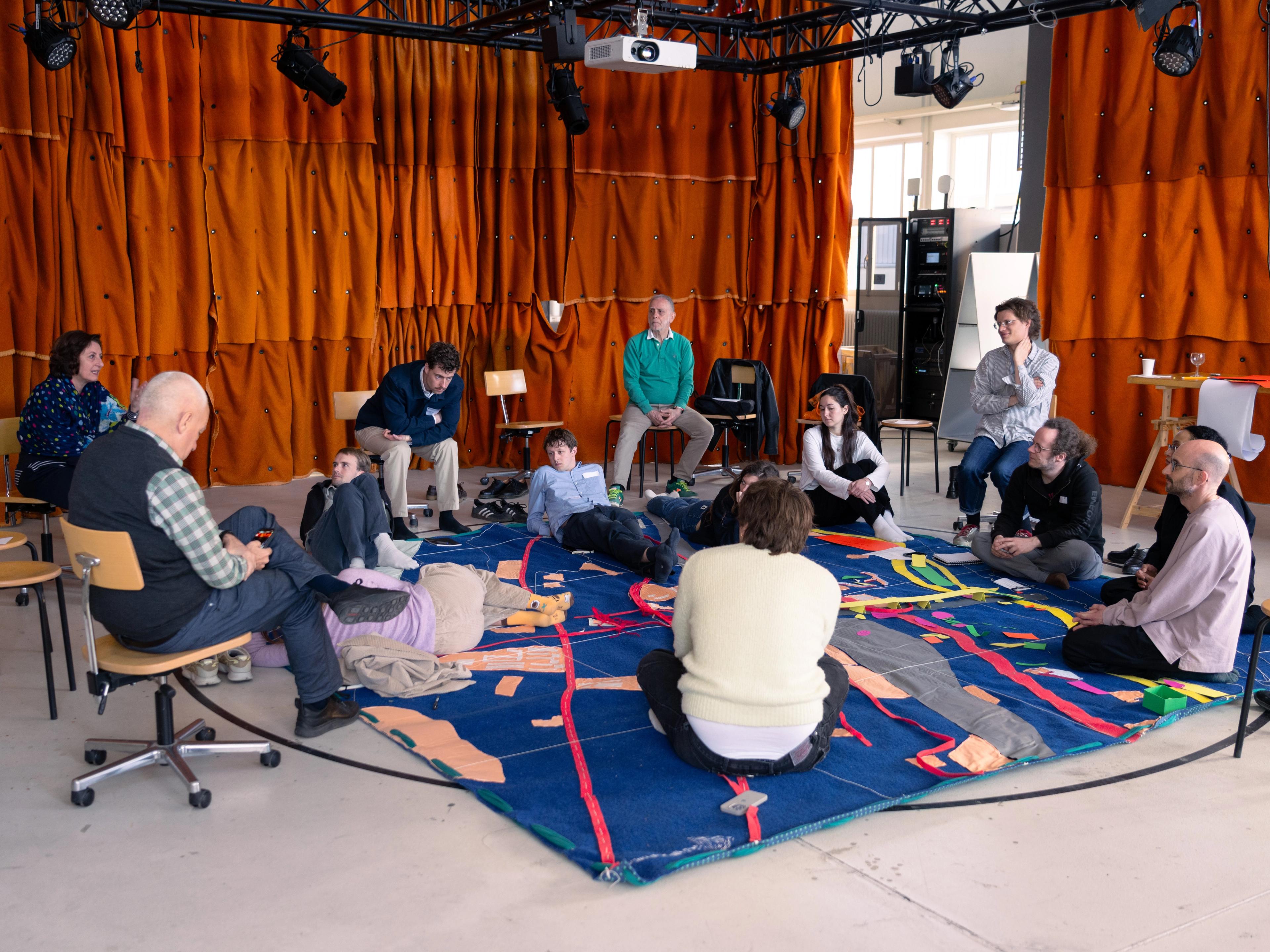
Cases
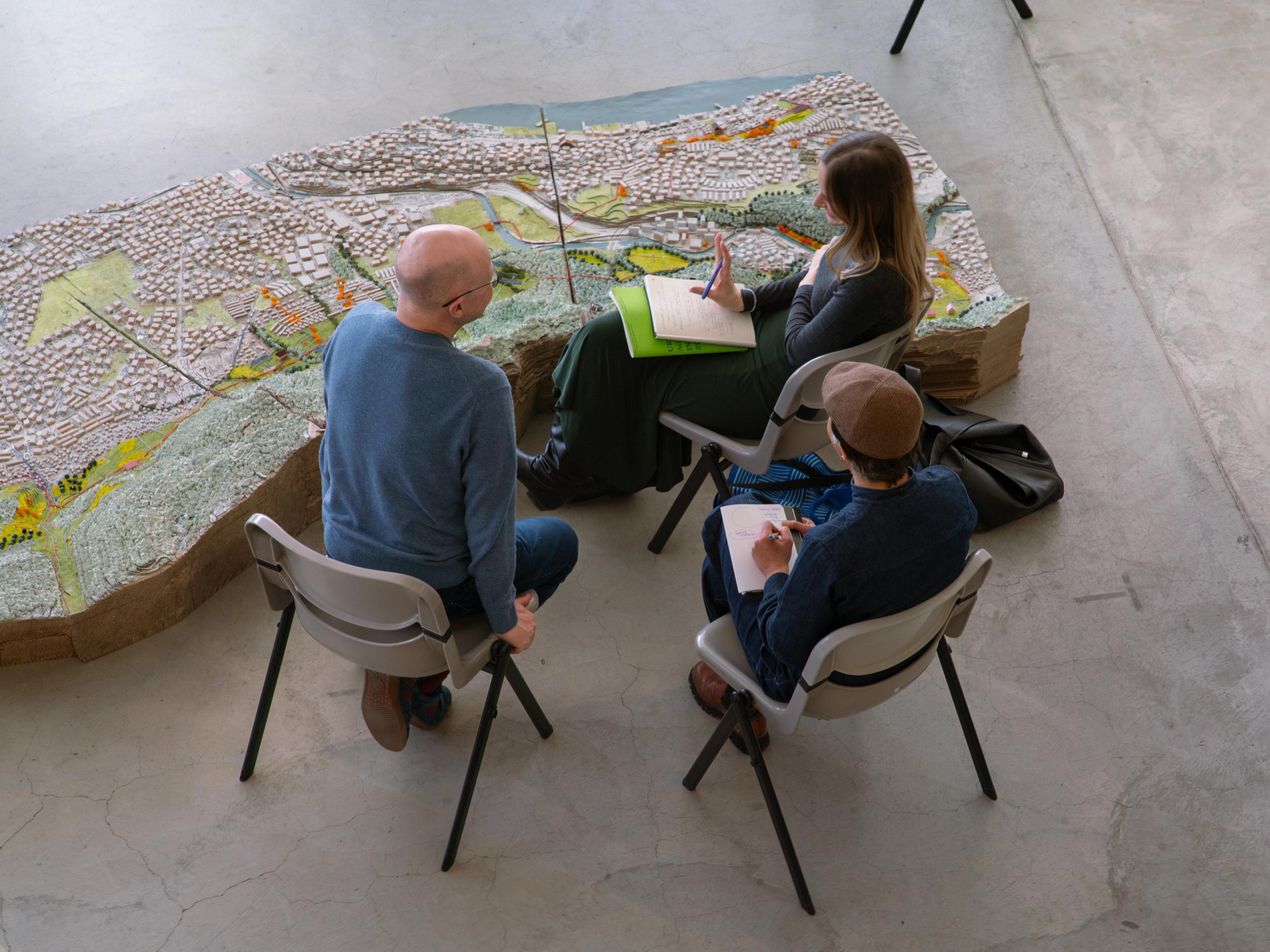
During the workshops, three different cases, all located in Zurich, were explored through the lens of "planning as learning".
Case 1 – Europabrücke, Landscapes of Adaptive Infrastructure:
The area around the Europabrücke in northern Zurich concentrates railway corridors, highways, energy and water facilities, flood protection, and service zones — each with different planning histories and institutional logics, developed through largely uncoordinated processes. The result is a fragmented landscape that falls between infrastructure, landscape, and urban space. Despite this, the area hosts a variety of spatial, social, and ecological practices: informal recreation, swimming spots, refugee housing, sports fields, and biodiverse riverbanks. This case examines how planning can operate as a learning process within and between fragmented systems — identifying synergies across sectoral boundaries and developing coordination through continuous learning rather than a single comprehensive plan.
Case 2 – Dübendorf, Densifying an Accidental Garden City:
Located between already densified western districts and the former military airfield planned as an Innovation Park, Dübendorf faces significant development pressure. In contrast, the existing area is characterised by informality — open fields, leftover green spaces, and small-scale appropriations by inhabitants that together form an accidental garden city. Shaped by multiple municipal and infrastructural borders, the area contains many spaces outside standard planning logics. This case presents densification as a learning process: how can planning read and carry forward existing spatial practices? How can informal use and lived experience inform transformation while preserving the area's social and spatial qualities?
Case 3 – Between Food Production and Public Space, Urban Agroecological Transition at Uetliberg’s Foothills:
With Zurich expecting 25% population growth by 2040 and aiming for carbon neutrality by the same year, existing open spaces face mounting pressure to provide recreation, agricultural activity, and ecological performance simultaneously. Around 95% of Zurich's agricultural land is city-owned, and internal departments have identified overlapping requirements across these heterogeneous spaces. This case examines the eastern Uetliberg flank, where Grün Stadt Zürich manages four to six farms, exploring the potential of an integrated agroecological landscape between forest and city. Key questions include the extension of the agricultural network to new stakeholders, the role of public administration beyond land management, and the agency of research in shaping such processes.
Credits
[Date] 12 & 13 March 2026
[Format] NSL Colloquium
[Concept & Organisation] Lukas Fink, Michiel van Iersel, Freek Persyn
[Organisational support] Claudia Gebert, Sabine Sarwa, Caspar Bultmann, Simon Nougué]
[Speakers] Darren O'Donnel, Dieter Leyssen, Ekim Tan, Elena P. Antonacopoulou, Katía Truijen, Omar Nagati, Tania Zittoun
[Site Visit and Workshop Guides and Guests] Alice Clarke, Angelus Eisinger, David Ganzoni, David Menzi, Elvira Kinzner, Jan Engelke, Jan Westerheide, Lukas Raabe, Regula Lüscher