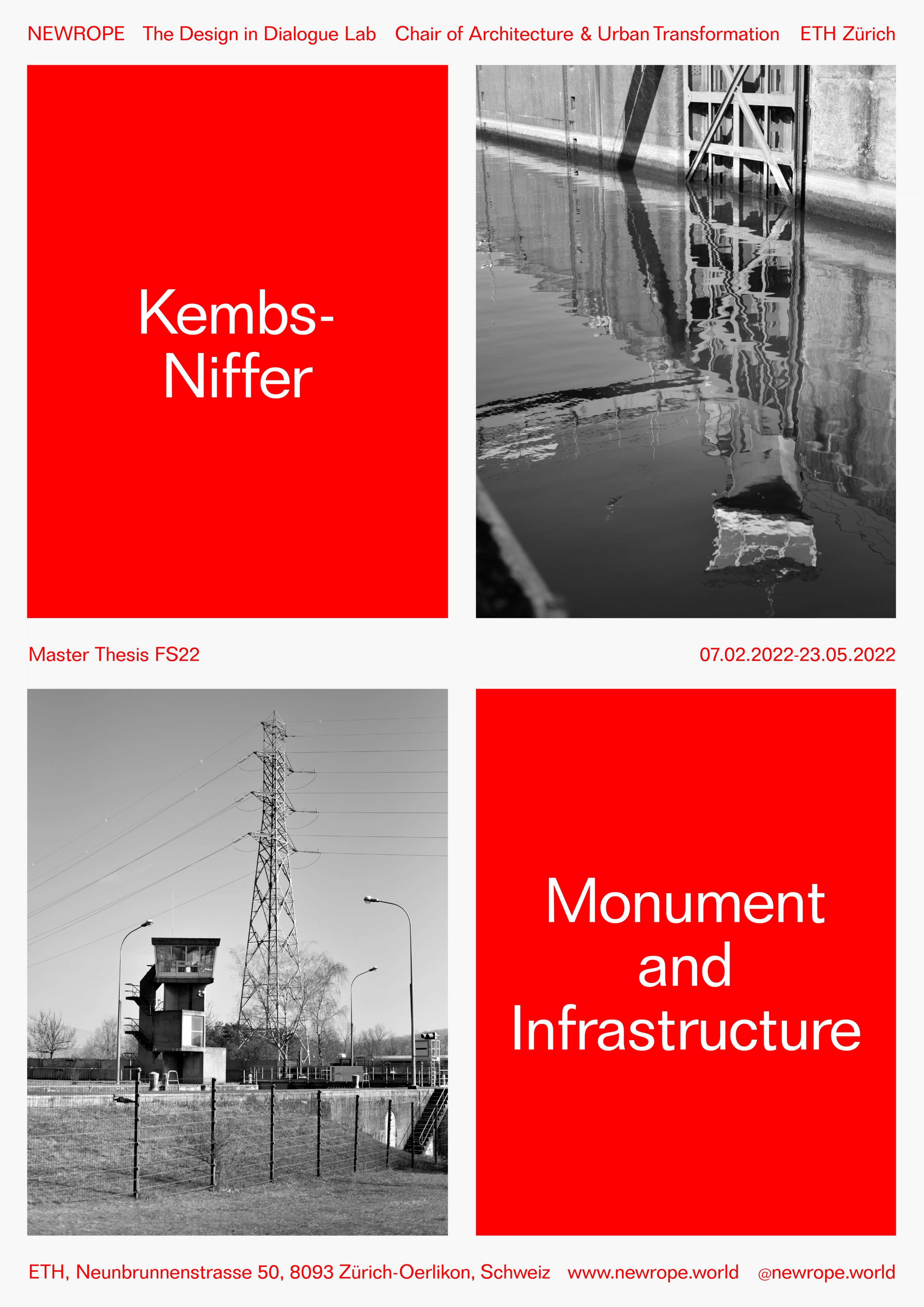
Master Thesis Kembs-Niffer – Monument and Infrastructure
The master thesis program set out to explore how writing and narrating histories shapes the way we perceive and transform our built environment. Taking infrastructure as its central lens, the studio questioned how large-scale structures – often defined by a single function – carry stories, meanings, and potentials that far exceed their original purpose. By confronting infrastructure with the notion of the monument, students investigated what happens when both are read, edited, and reinterpreted through the same narrative tools.
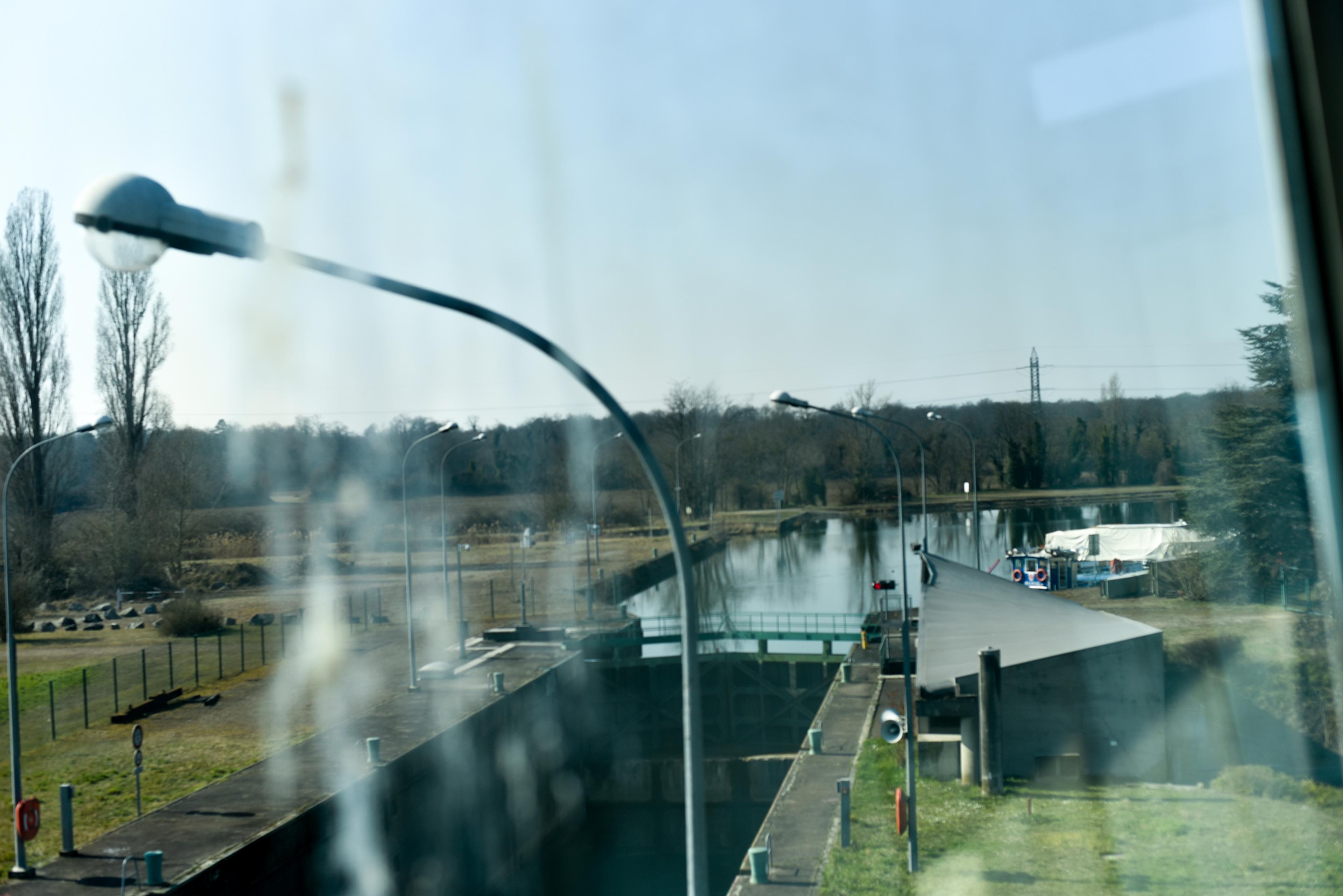
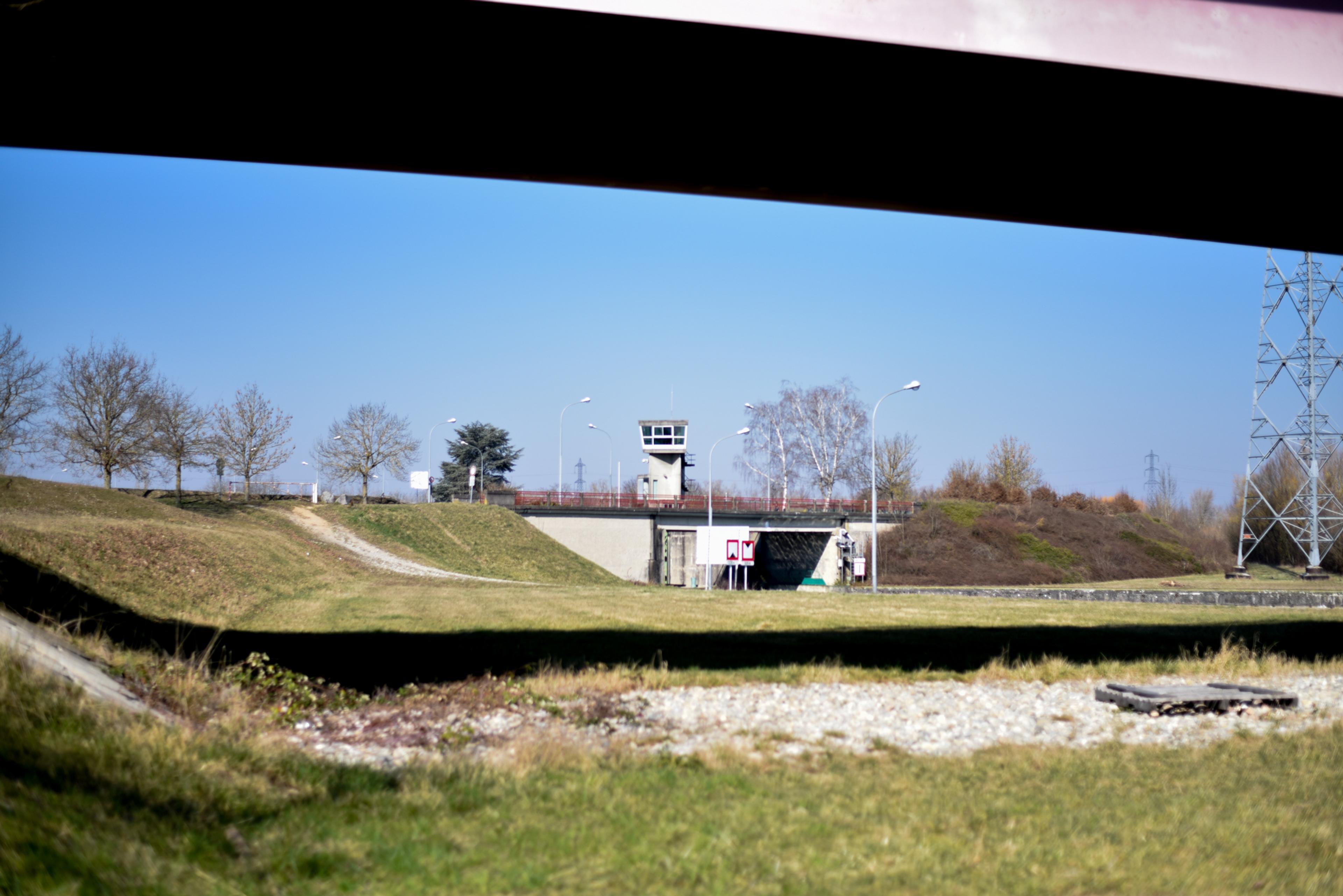
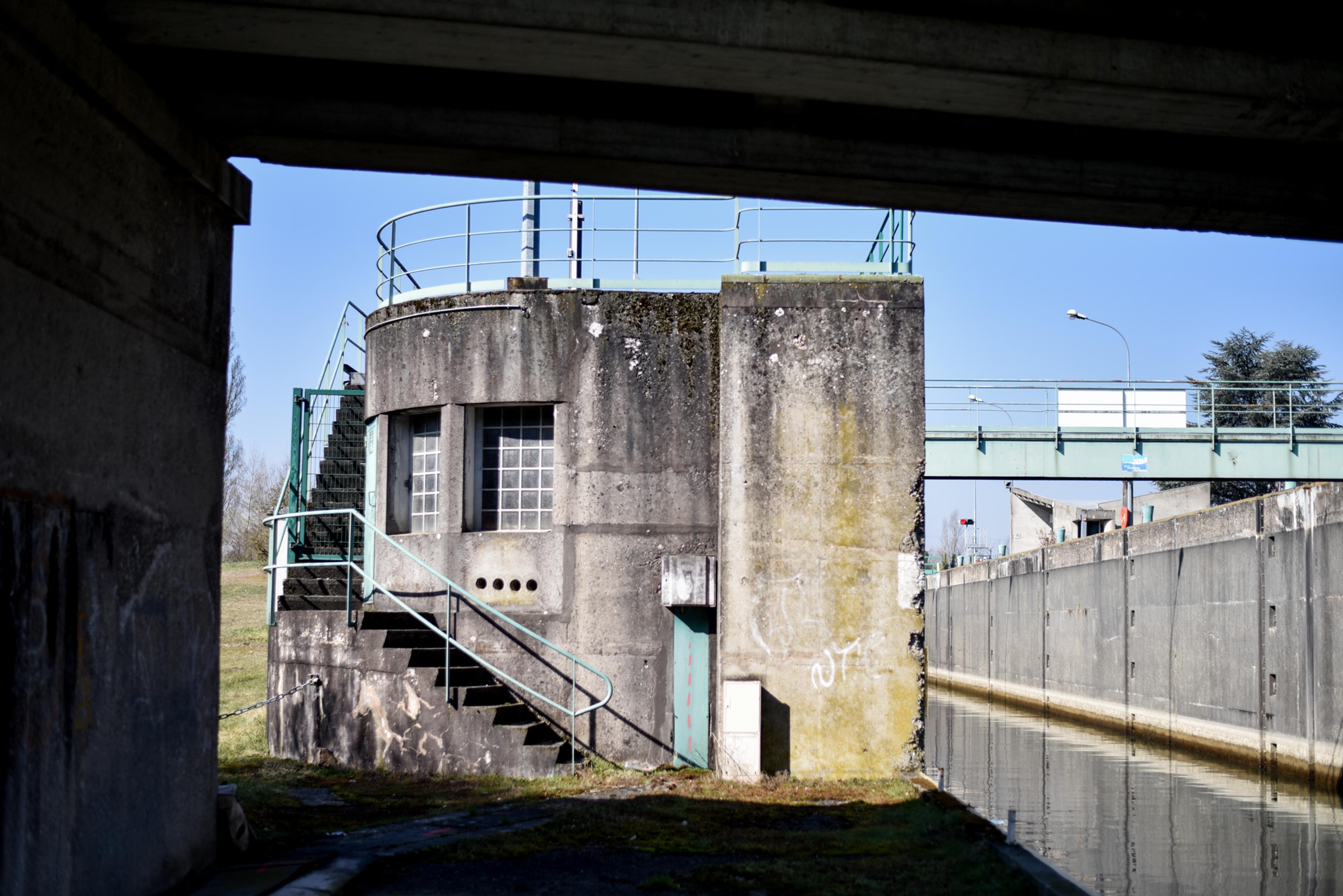
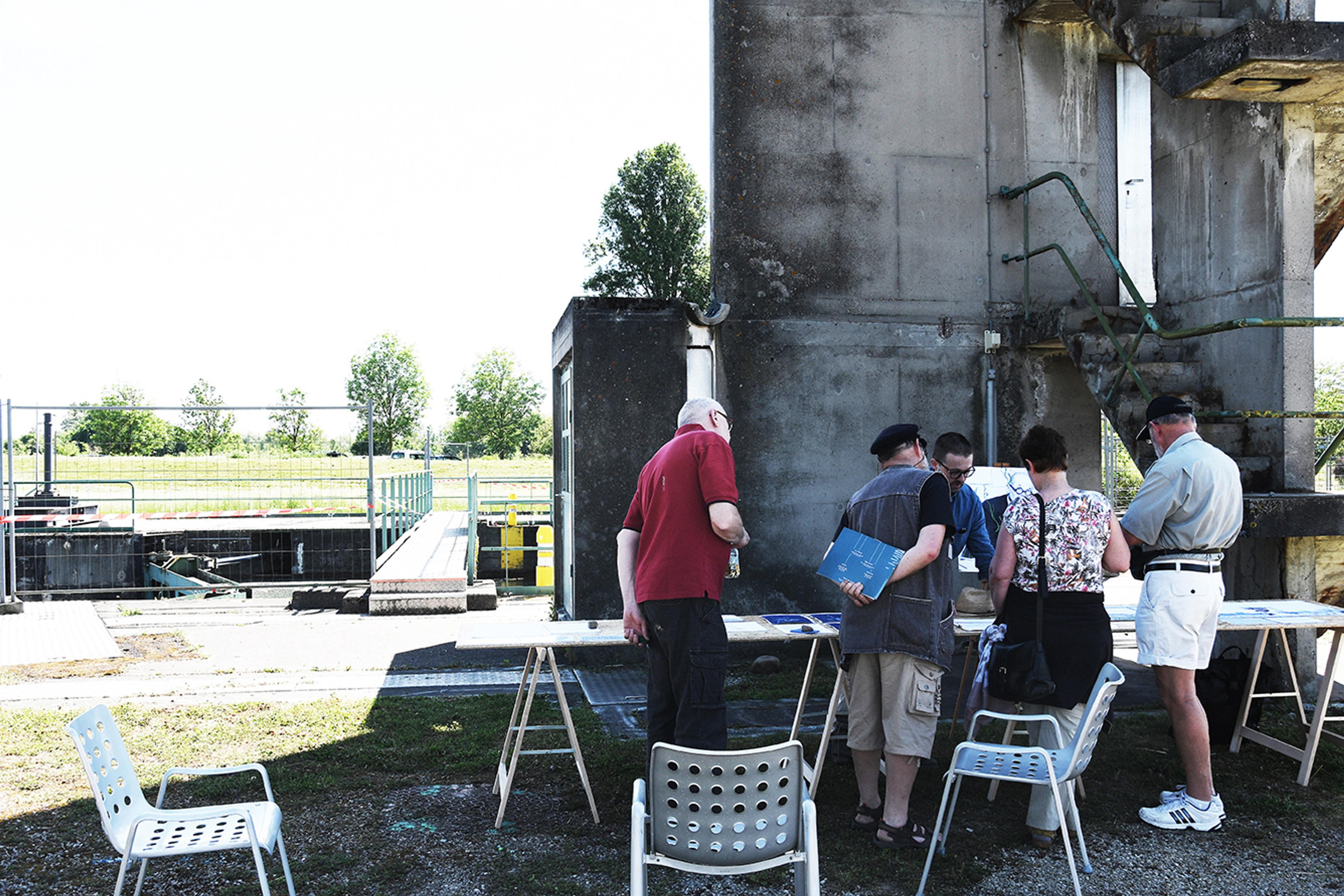
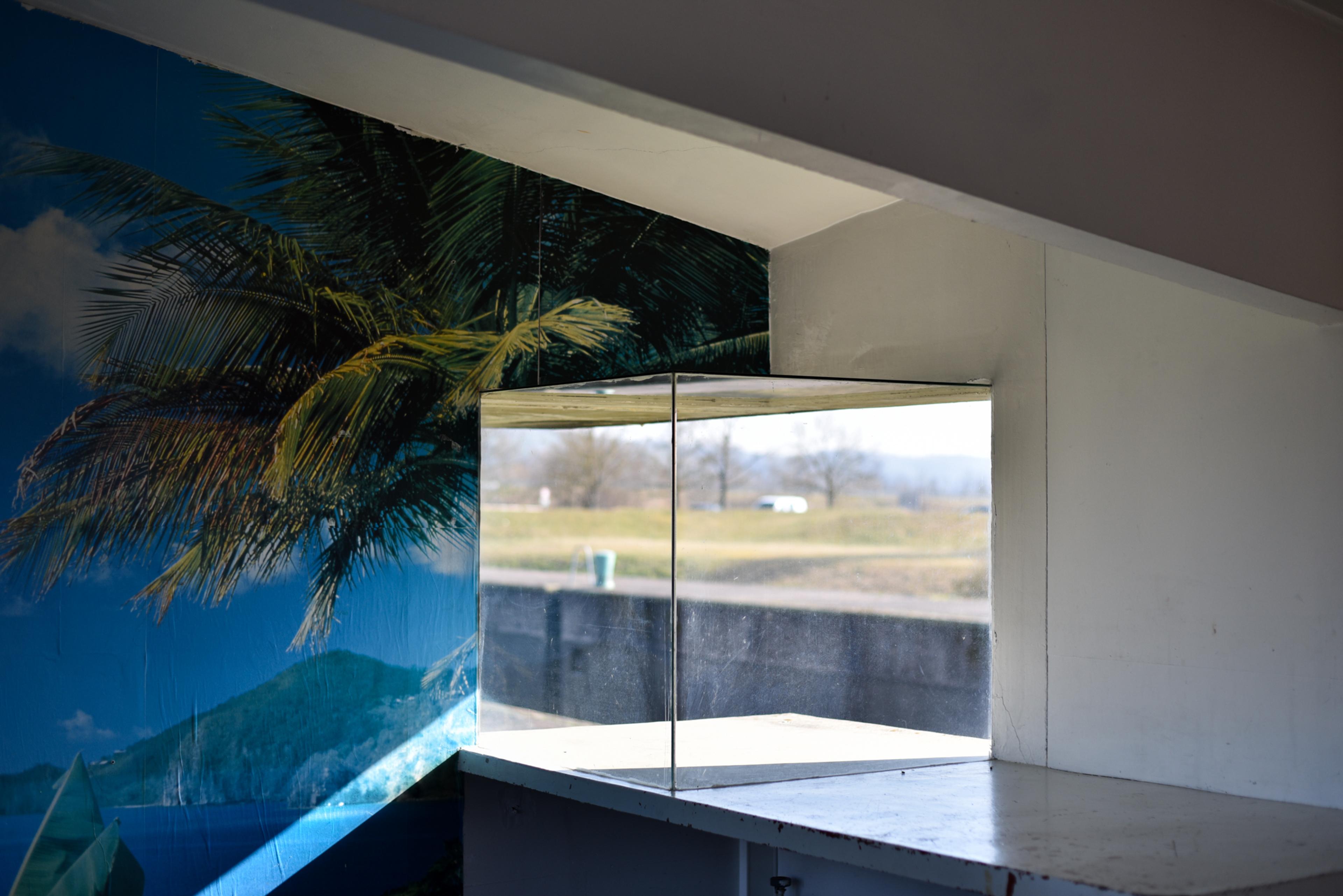
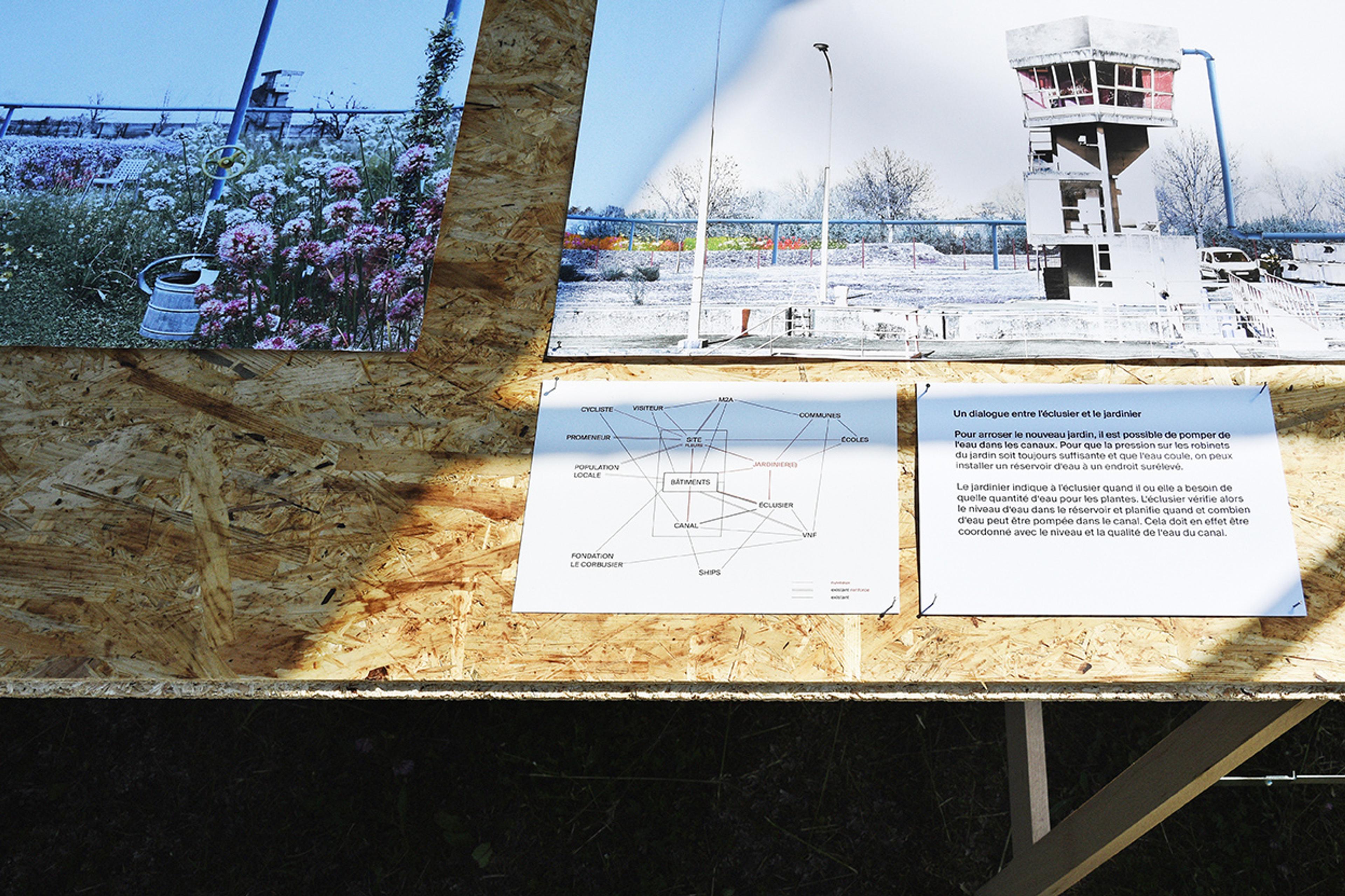
The structures along the Rhine in and around Kembs-Niffer became our red thread to rethink the European landscape via its stories: their capacities of space-making and addressing emergencies, environmental and otherwise. Le Corbusier’s little-known sluiceway (1959-62) connecting the Rhine to the Rhine-Rhone Canal and the surrounding semi-abandoned parkland were a focal point around which a multiplicity of historical and architectural scales were unraveled. Students confronted this nexus of narratives through comparison with a second related structure that each student selected along the Rhine.
We attempted to transform the problem-solving design approach into one of question-making. The built was revisited by simultaneously deconstructing various aspects of durability and sustainability. This embodied image of a mediated, rather than designed, future framed the entire program.
[Date] Spring 2022
[Place]Kembs-Niffer
[Supervision] Prof. Freek Persyn, Prof. Dr. Maarten Delbeke, Dr. Falma Fshazi, Ellena Ehrl, Dr. Cara Rachele
[Students] Sara Godly, Lina von Waldkirch